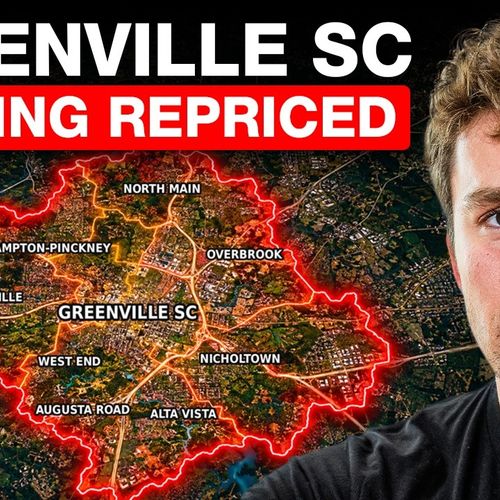
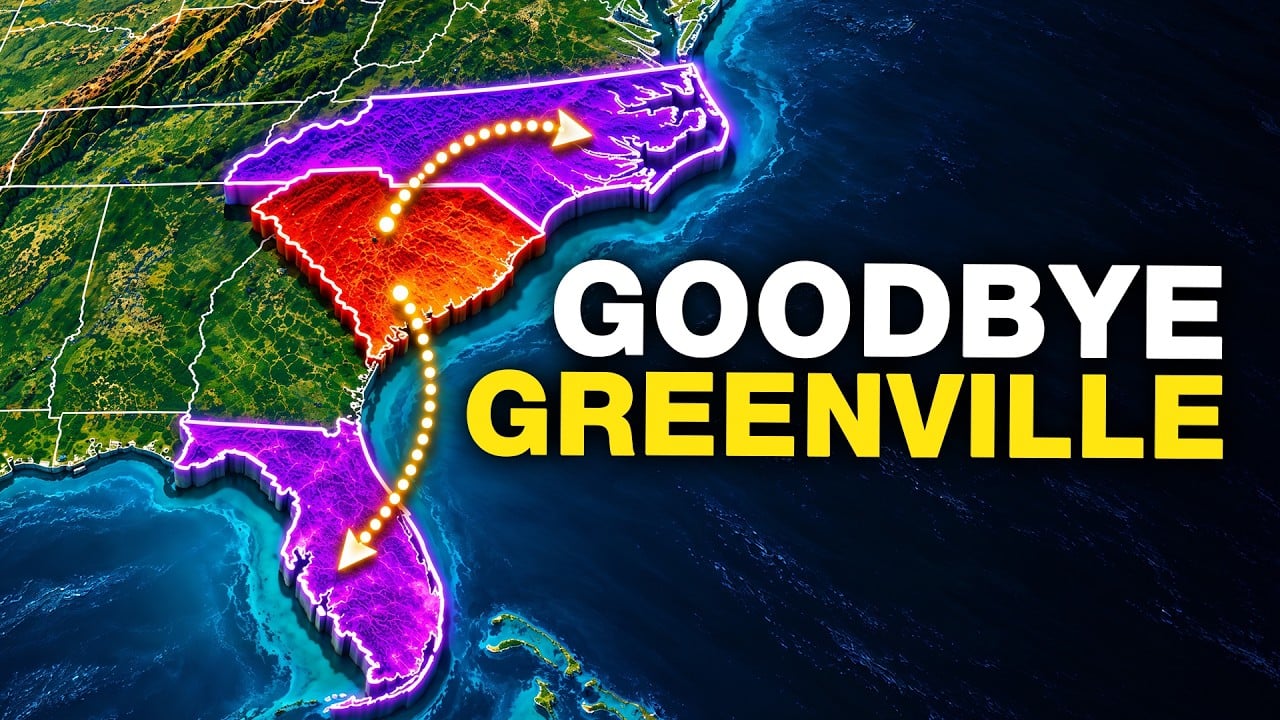
Quick Answer: Why are people leaving Greenville, SC?
Greenville grew more than 8% in just a few years and people are still moving here, but some residents are packing up and leaving, and moving out of Greenville doesn't always mean leaving the Upstate. Over the past five years, home prices across the broader Greenville market have climbed by more than half while local wages are up only about a third, and growth is straining roads like Woodruff Road, whose busiest stretch near I-85 carries more than 40,000 vehicles a day. Federal migration data show Greenville County loses more people to nearby counties like Spartanburg than it gains from them, and others are selling in Greenville or Simpsonville and buying farther out in Fountain Inn or toward Travelers Rest. People are spreading farther across the Upstate than they used to. If you're planning a move here, test the lifestyle before you fall in love with the house, because the biggest regret I see almost always comes down to choosing the wrong location.
Watch the Video
Here's the whole breakdown, from what's pushing some people out of Greenville to where buyers are looking instead:
Why does Greenville feel so much more expensive for local buyers?
Greenville still gets called affordable, but that word has gotten more complicated over the last few years. The change wasn't one big jump. It built over time, and now locals and people moving in from out of state can look at the same market and see two very different things.
Here's how we got here:
- Home values across Greenville County sit in the high $300s.
- Prices have crept up slightly over the past year. That's nothing close to the pandemic-era annual appreciation home sellers were used to.
- Over the past five years, though, home prices across the broader Greenville market have climbed by more than half.
- Local wages haven't kept pace. They're up by only about a third over roughly that same stretch. That's why Greenville feels more expensive for local buyers.
The gap has stopped widening, at least. Wages are now growing faster than home prices year over year.
At the same time, people are moving here from all over. We've helped people from Illinois, New York, Maine, Arizona, California, New Mexico, North Carolina, even Portugal, and more. Those buyers often bring more equity or a bigger budget than local buyers. That's why the same house can feel expensive to someone who's lived here for 10 years and still feel like a deal to someone moving in from out of state.
So when you hear Greenville's gotten pricey, believe it. Just know the bigger risk is paying that price in the wrong spot.
How is Greenville's growth affecting traffic, roads, and healthcare?
Sit at a red light on Woodruff Road during rush hour, and you'll swear the whole county showed up at once. That's what happens when an area grows faster than the roads were built for. Greenville's been playing catch-up, and you're starting to see where that work is paying off.
How fast is the area growing?
The county is still growing faster than most in the state, and that pace isn't slowing down. Towns just outside the city have grown even faster than Greenville itself since 2020:
- Greer and Fountain Inn are the clearest examples. Both are up close to 40% in that stretch.
- Simpsonville has grown fast too, crossing 28,000 residents.
What does that mean for the roads?
Roads built for a much smaller population are now handling much heavier daily traffic.
- Woodruff Road: The busiest stretch near I-85 carries more than 40,000 vehicles a day, with a heavy peak at lunchtime, not just during the evening commute. The state has a multi-year relief project underway on Woodruff Road, with a new parallel road, extra bridges, and better intersections. Construction is now expected to start around early 2027, and the full phased project could stretch into 2032.
- I-385: It isn't the mess it used to be. The state already widened it to six lanes and upgraded the interchange with I-85, though that merge point can still back up during peak hours.
- I-85: Interstate 85 is expected to have changes coming over the next decade, with SCDOT announcing they're beginning their pre-construction studies on how to most efficiently update the interstate as it cuts through Spartanburg and Greenville County.
- Simpsonville: The Five Forks area, along with roads like West Georgia and Standing Springs on the other side of Simpsonville, feels the same squeeze around rush hour.
Here's what folks from out of town notice and ask me when they come in and visit: "You talk about traffic, Will, but where is the traffic?" If you've ever sat in Orlando traffic, or Atlanta, Chicago, or LA traffic, that's an understandable question. I always say traffic increase is relative. Compared to what we were used to 10 years ago, yes, it has gotten worse. But compared to what you might be used to, this traffic is a joke.
Is healthcare keeping up?
Healthcare is expanding too:
- Bon Secours opened a new emergency department in Five Forks earlier this year.
- Prisma Health broke ground on a large medical park in Fountain Inn. It's an outpatient facility, not a hospital, and it won't treat patients until late 2027.
- Prisma is also expanding Greer Memorial. That project will more than double the hospital's bed count over the next couple of years.
From what I've seen with clients, the county got caught off guard by how quickly this growth happened a few years ago. Since then, they've done a solid job responding to it.
Where are people moving when they leave Greenville?
Greenville isn't shrinking, and that's important, because moving out of Greenville doesn't always mean leaving the Upstate. Growth like this always pushes some people to look elsewhere, and there's a real pattern underneath it.
- Thousands of people move out of the county every year, too.
- Federal migration data show Greenville County loses more people to nearby counties like Spartanburg than it gains from them. Spartanburg County makes sense as a landing spot. Home values there run well below Greenville's.
- Some of the movement away from Greenville doesn't even leave the county. People are selling in Greenville or Simpsonville and buying farther out in Fountain Inn or toward Travelers Rest instead.
I've seen this firsthand with clients. Some who bought here years ago now have enough equity to trade up for more land or a quieter setting somewhere else in the Upstate.
What's happening in Travelers Rest?
Travelers Rest is a good example of how this plays out. It used to be the budget alternative to Greenville, but home values there have now climbed above the county average, typically selling well above $500K.
- Buyers who want proximity to the mountains but get priced out of Travelers Rest are looking at places like Taylors and Greer instead.
- Buyers who want something quieter and more rural are heading farther out to the corners of Simpsonville, Piedmont, Easley, or northern Greer.
So people are spreading farther across the Upstate than they used to, and they still have quick proximity to many different services, conveniences, and shopping within 20 minutes of their front door.
How can buyers avoid relocation regret in the Upstate?
Falling for a neighborhood on a Saturday afternoon is easy. Living there every day can feel very different. That's why I always tell buyers to test the lifestyle before they fall in love with the house.
I've spent more than 8 years working in this market and have helped hundreds of families make this exact move, so I've seen firsthand what makes people stay and what makes them regret where they bought. Here's what I'd want you to understand before you choose.
Test real life, not just the tour
- Downtown feels different once you're living there during the week instead of touring it on a weekend.
- Test the drive during the hours you'd use it for real: rush hour, school pickup, and a random weekday lunch, not just when you're touring homes.
- Talk to the neighbors. When you're driving by homes that look good online and you see a neighbor, talk to them. They're going to be your best feedback. We know these areas and these communities, but we may or may not live in the specific community. Hearing what neighbors think about the community, the area, and their commute to things is invaluable information to have, and you'll find that people here are super nice and more than willing to share their honest opinion.
Know what each area trades off
- If value matters more to you than being close to downtown, look toward Greer, Fountain Inn, or even Spartanburg, where your budget goes further.
- Fountain Inn is still catching up on amenities. If you move there now, expect to drive to Simpsonville or Woodruff Road for a while longer, unless you're going to drive downtown to enjoy one of the best downtowns around Greenville.
- If you're set on Simpsonville, be careful buying right off busy roads like Woodruff Road through Five Forks or West Georgia Road, unless you're fine with heavier traffic or you're actually close to the grocery store you'll be shopping at every day.
- Simpsonville has changed a lot over the past five years. It's more developed now than many buyers expect when they start looking.
Tour by lifestyle first
With every client, I recommend touring by lifestyle first (downtown, then the suburbs, then the rural edges) before comparing individual houses. The biggest regret I see almost always comes down to choosing the wrong location. That's what separates a smooth move from a rocky one.
FAQs About Moving to Greenville, SC
Are people actually leaving Greenville, SC?
Some residents are, but Greenville isn't shrinking. Greenville grew more than 8% in just a few years, and the county is still growing faster than most in the state. Thousands of people move out of the county every year too, and moving out of Greenville doesn't always mean leaving the Upstate.
Is Greenville still affordable?
Greenville still gets called affordable, but that word has gotten more complicated. Home values across Greenville County sit in the high $300s, and over the past five years home prices across the broader Greenville market have climbed by more than half while local wages are up only about a third. The gap has stopped widening, at least, with wages now growing faster than home prices year over year.
Where are people moving instead of Greenville?
Federal migration data show Greenville County loses more people to nearby counties like Spartanburg than it gains from them. Others are selling in Greenville or Simpsonville and buying farther out in Fountain Inn or toward Travelers Rest. Buyers who want something quieter and more rural are heading farther out to the corners of Simpsonville, Piedmont, Easley, or northern Greer.
Is Travelers Rest still the budget option?
Not anymore. It used to be the budget alternative to Greenville, but home values there have now climbed above the county average, typically selling well above $500K. Buyers who want proximity to the mountains but get priced out of Travelers Rest are looking at places like Taylors and Greer instead.
How bad is traffic in Greenville, SC?
Woodruff Road's busiest stretch near I-85 carries more than 40,000 vehicles a day, with a heavy peak at lunchtime, not just during the evening commute. Traffic increase is relative, though. Compared to 10 years ago it has gotten worse, but if you're used to Orlando, Atlanta, Chicago, or LA traffic, this traffic is a joke.
When will the Woodruff Road project start?
The state has a multi-year relief project underway on Woodruff Road, with a new parallel road, extra bridges, and better intersections. Construction is now expected to start around early 2027, and the full phased project could stretch into 2032.
What's the biggest mistake buyers make when relocating to the Upstate?
The biggest regret I see almost always comes down to choosing the wrong location. Test the lifestyle before you fall in love with the house, drive the commute during the hours you'd actually use it, talk to neighbors, and tour by lifestyle first (downtown, then the suburbs, then the rural edges) before comparing individual houses.
Let's Find the Area That Fits You
Greenville keeps growing, and buyers are getting pickier about where they land. Understand that shift, and you'll have a better shot at finding the area that fits you best.
If you want help figuring out where your budget fits before you commit to a neighborhood, email us at [email protected]. My team and I work with relocating buyers across Greenville every week, and we'll help you find the area that fits you best.
As always, I'm Will Sawyer, your friend in real estate. Until next time, stay safe.
Check out this article next